Classification of Organisms
The way scientist classify organisms on how they obtain energy is by using a series of hierarchical categorie called taxa. This system moves upward from a base containing a large number of organisms with very specific characteristics.
Autotrophs are organisms able to form nutritional organic substances from simple inorganic substances such as carbon dioxide. Autotrophs obtain energy by photosynthesis. Photosynthesis is the process by which green plants and some other organisms use sunlight to synthesize foods from carbon dioxide and water. Photosynthesis in plants is involves the green pigment chlorophyll and generates oxygen as in byproduct. Autotrophs are important because they are the ones who can capture the energy of the sun. Three examples of autotrophs found in the Tropical Rainforest are: Tualang, Coconut tree, and Bengal Bamboo.

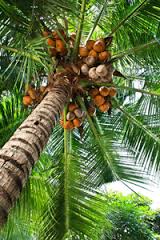
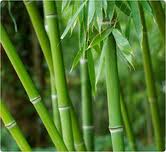
TUALANG COCONUT TREE BENGAL BAMBOO
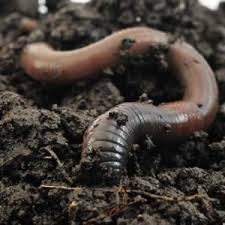
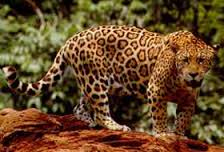
A heterotroph is any living organisms.They obtain their energy from carbohydrates and other organic material. A predetor is an animal that naturally preys on others. A prey is an animal that is hunted and killed by another for food. An example of a predetor is a Jaguar and one of its preys would be like a monkey , bird, frogs, and others. The different between a herbivore(eat plants), carnivore(eat meat), omnivore(eat both plants and animals),and detritovore(eat detritus)is that they dont eat the same stuff. An example of an organism for each would be a HERBIVORE=PANDA, CARNIVORE=JAGUAR, OMNIVORE=BLUE AND GRAY TANAGER, & DETRITOVORE=EARTH WORMS. Decomposers get their energy pretty much just as a heterotroph does, they take an organic matter called detritus and take a chemical potential energy out of it. Decomposers are important because they break down the organic compunds into simple nutrients.An example of a decomposer would be and earth 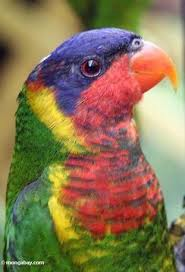 worm.
worm.